-
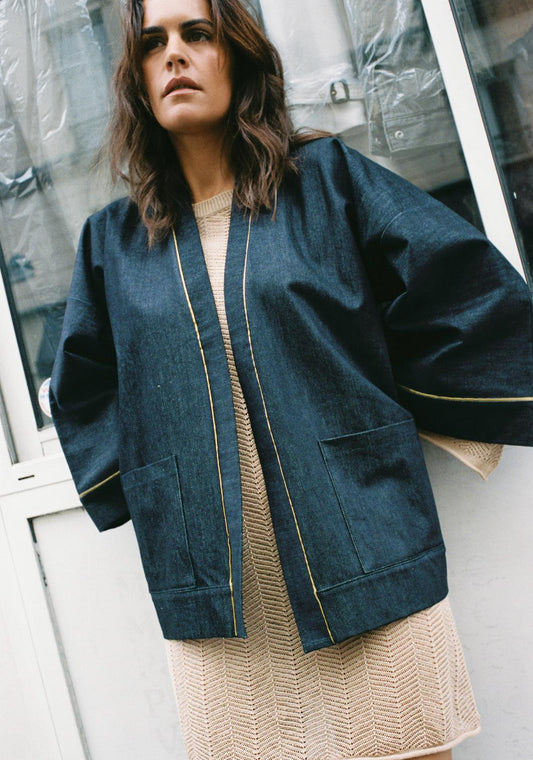
EUGENE – BLUE DENIM & GOLD TRIM KIMONO
Regular price €270,00Regular price -
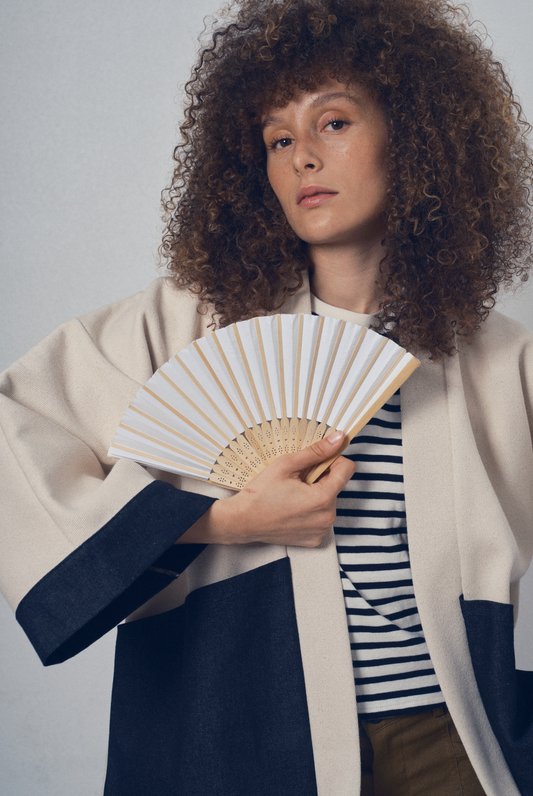
SIMON - VESTE KIMONO ECRU ET DENIM NOIR
Regular price €320,00Regular price -
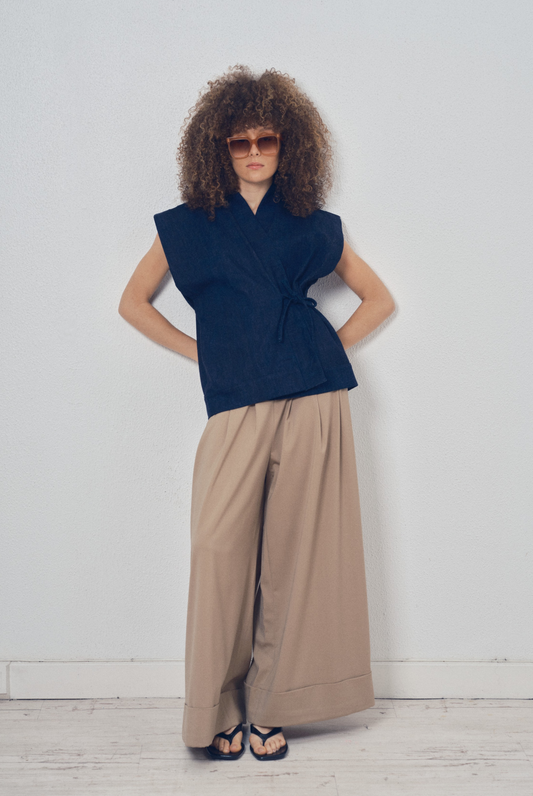
PERLA - KIMONO SANS MANCHE DENIM BLEU
Regular price €210,00Regular price -
PERRET – BLACK DENIM & RED SILK-WOOL KIMONO
Regular price €230,00Regular price -
MARCEL - BLACK DENIM KIMONO
Regular price €250,00Regular price -
 Sold out
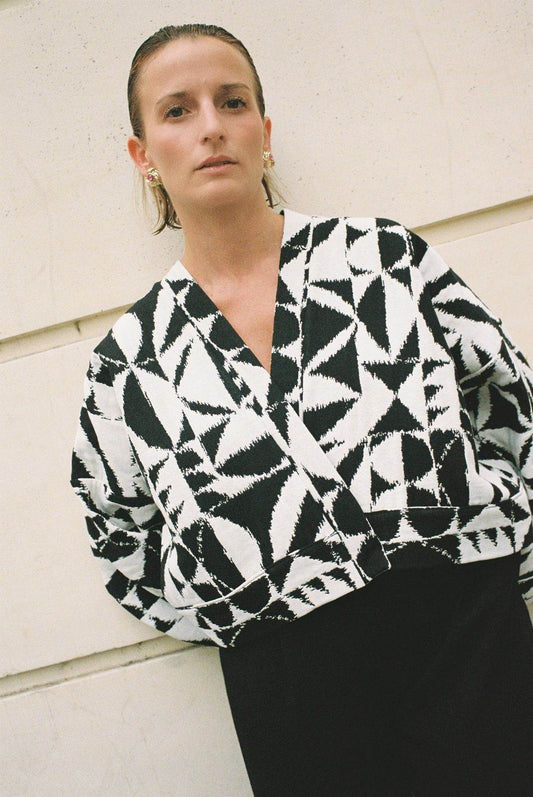
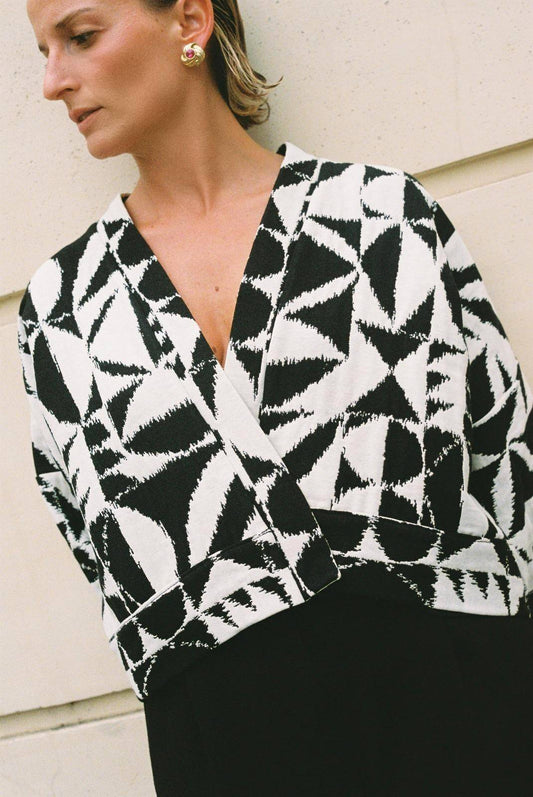
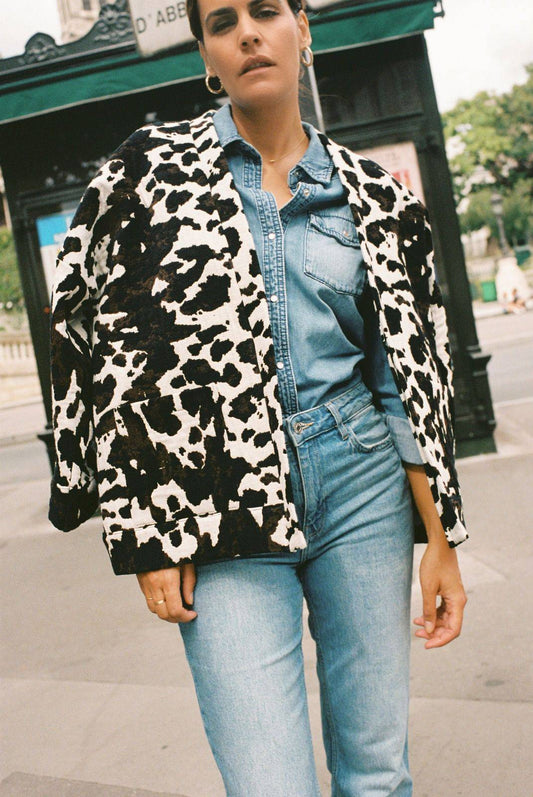
KUMA – BLACK & WHITE JACQUARD KIMONO
Regular price €290,00Regular price -
SUZANNE - BROWN ORGANIC COTTON KIMONO
Regular price €250,00Regular price -
CLAUDE - KIMONO SANS MANCHE ECRU
Regular price €250,00Regular price -
VERDEAU - JACQUARD KIMONO WITH GEOMETRIC PATTERN
Regular price €390,00Regular price -
ITO – BLACK & WHITE JACQUARD KIMONO
Regular price €320,00Regular price -
CHARLOT - TRENCH AUX LIGNES KIMONO BEIGE ET VERT
Regular price €350,00Regular price -
GILLES - VESTE CROP BEIGE ET ROUGE
Regular price €290,00Regular price -
ANASTASE - ROBE LAINE MARINE
Regular price €320,00Regular price -
BARBETTE - ROBE EN SOIE LAMÉE
Regular price €390,00Regular price -
PASTOURELLE - ROBE EN SOIE BLANCHE
Regular price €390,00Regular price -
LEON - GREY ORGANIC COTTON KIMONO
Regular price €250,00Regular price -
MANSART – BLACK & WHITE HOUNDSTOOTH WOOL KIMONO
Regular price €350,00Regular price -
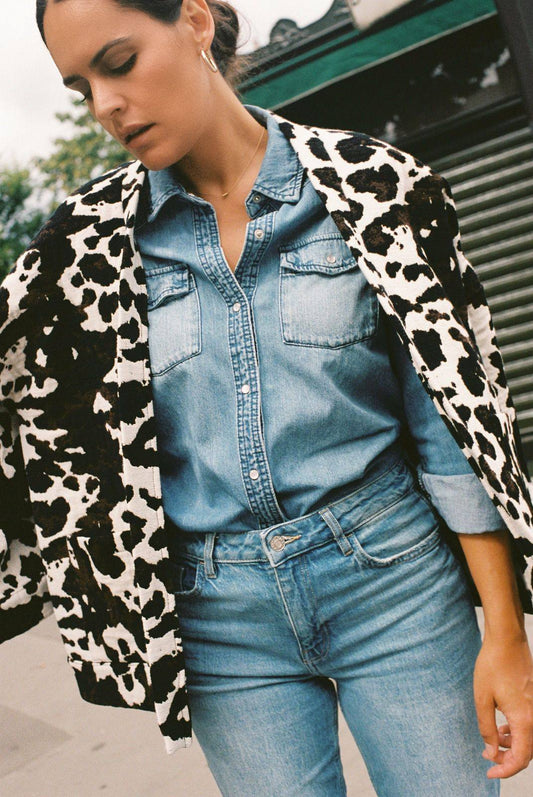
BRADY - BROWN VELVET KIMONO
Regular price €290,00Regular price -
 Sold out
 -
GASTON - DENIM & BORDEAUX KIMONO
Regular price €200,00Regular price



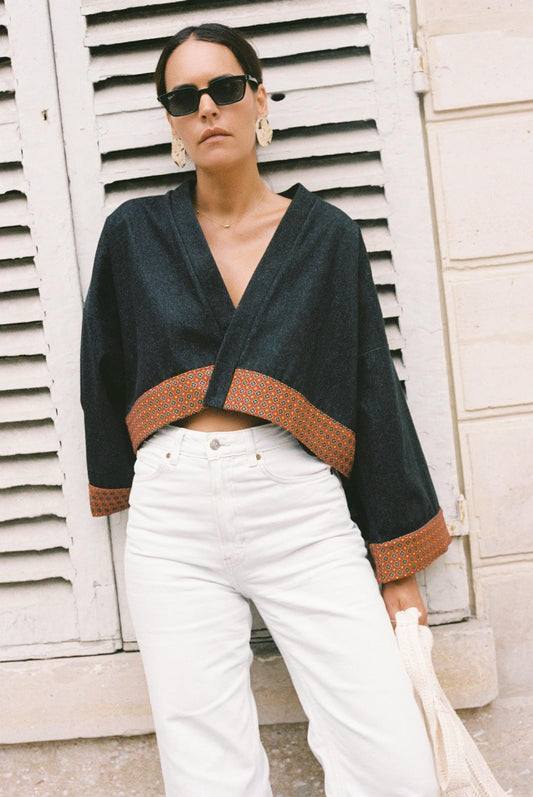
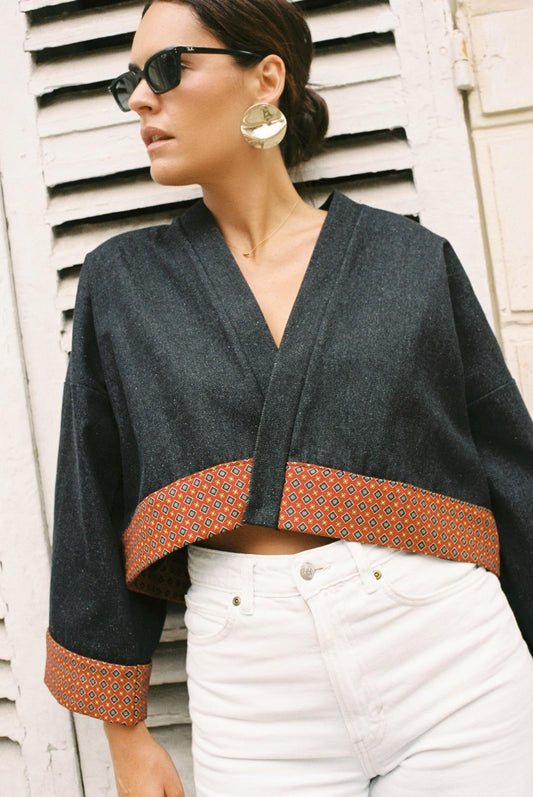

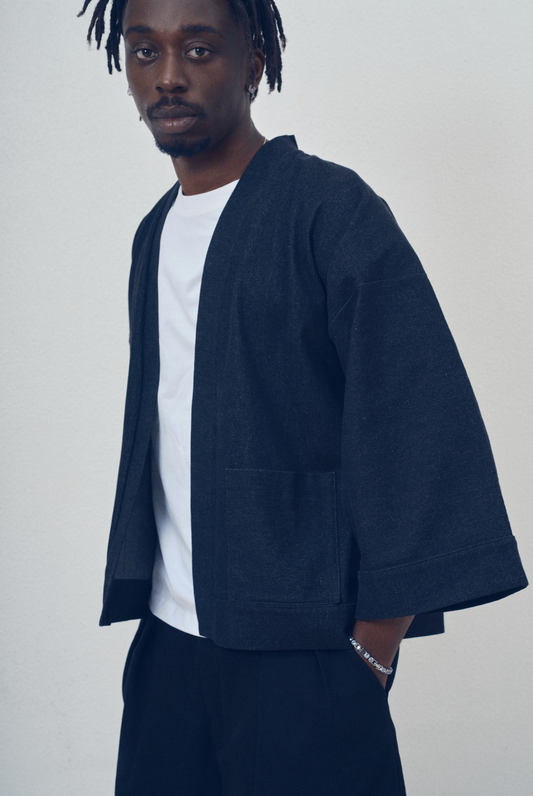

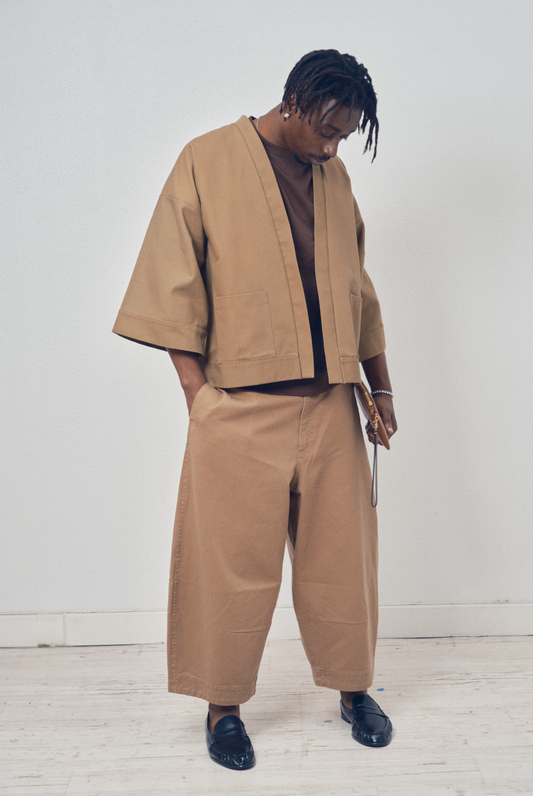

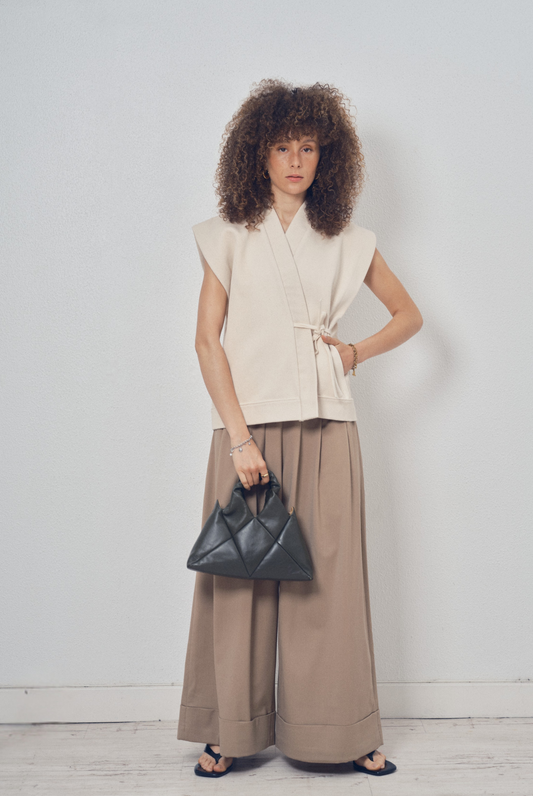

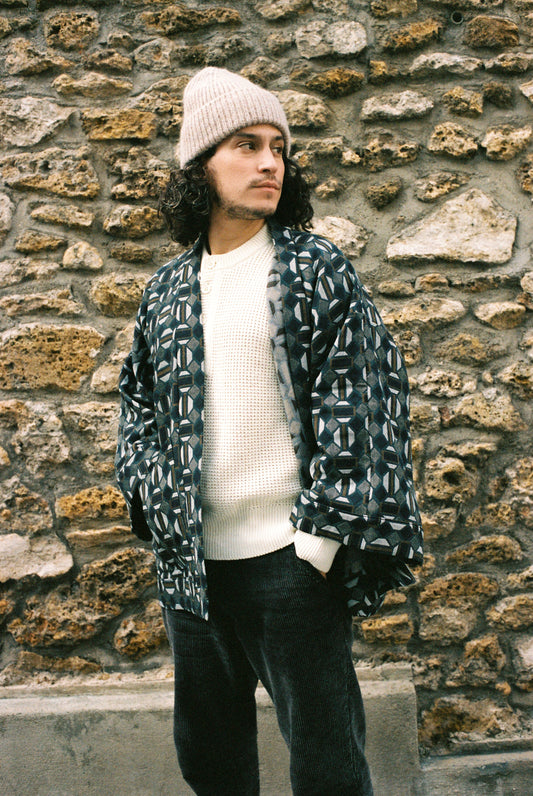

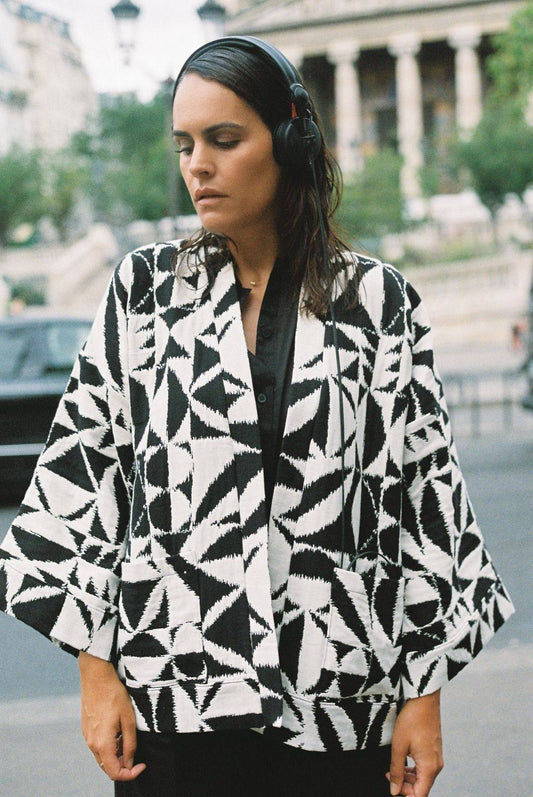

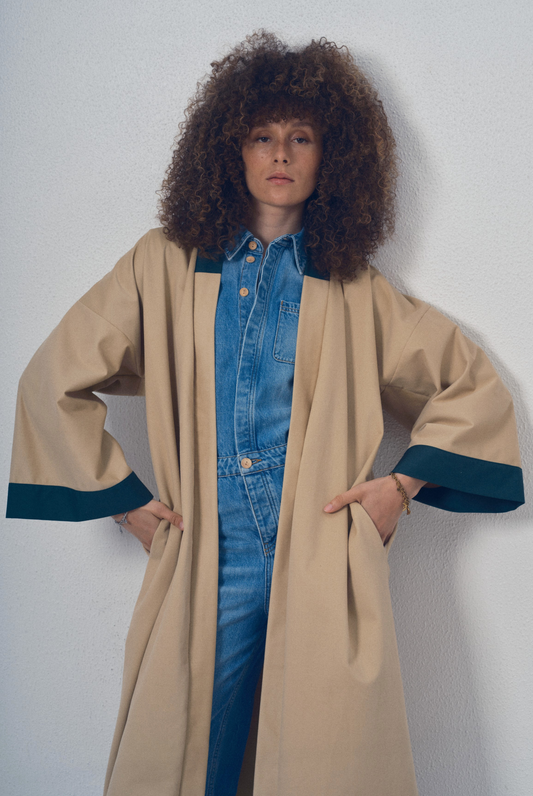

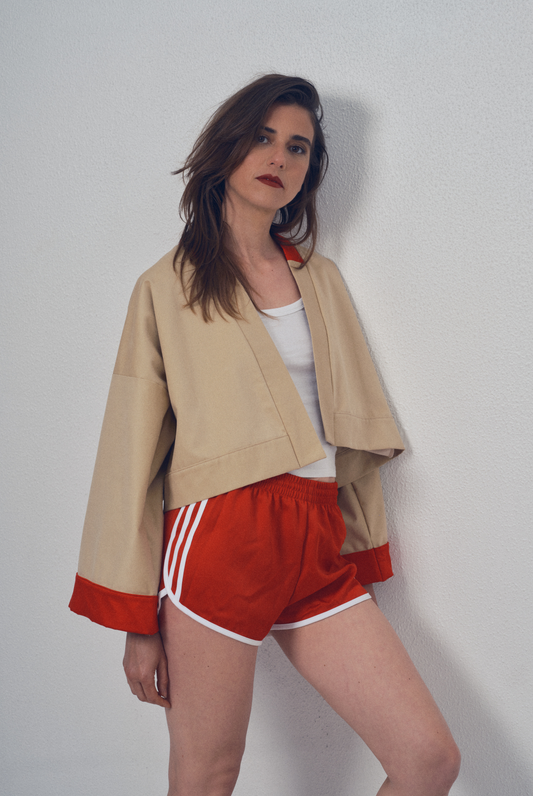

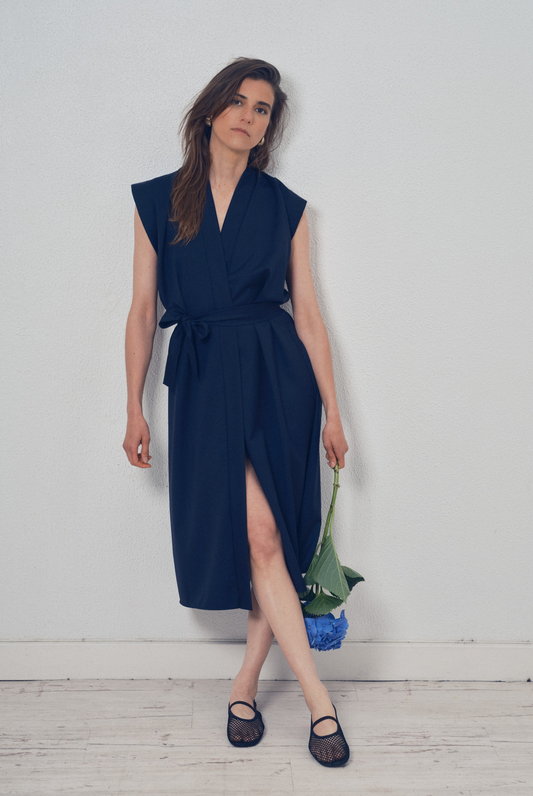

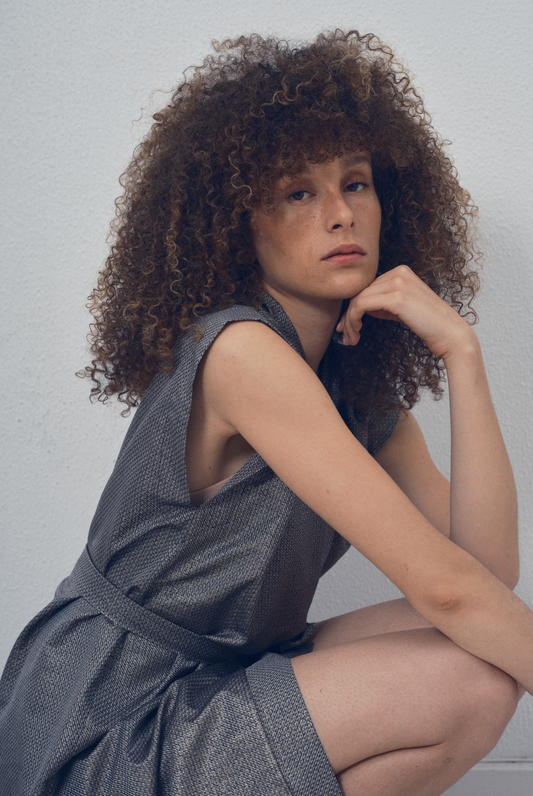

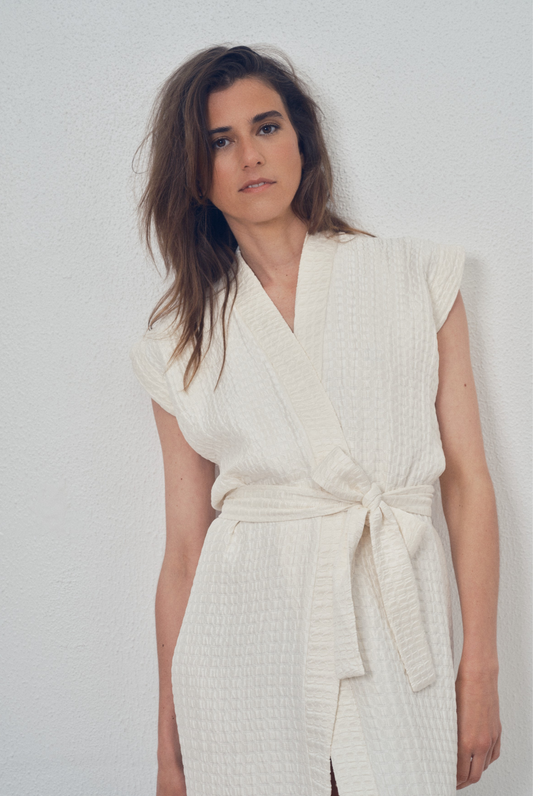

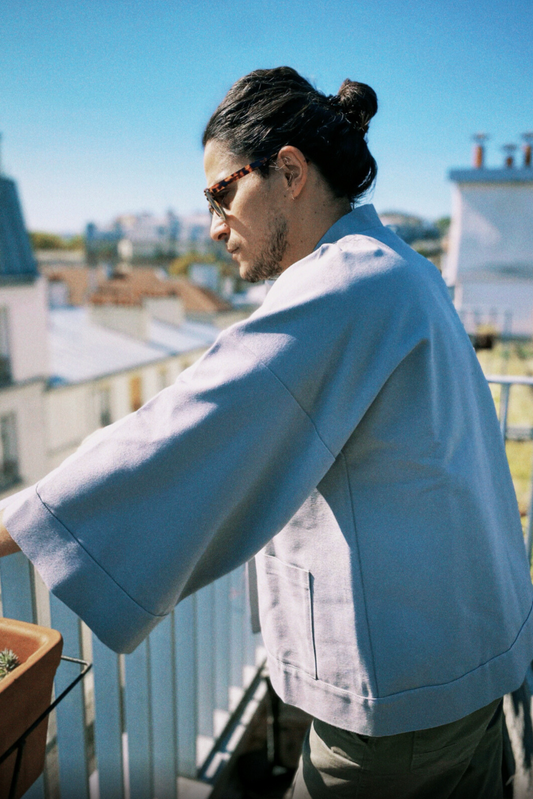
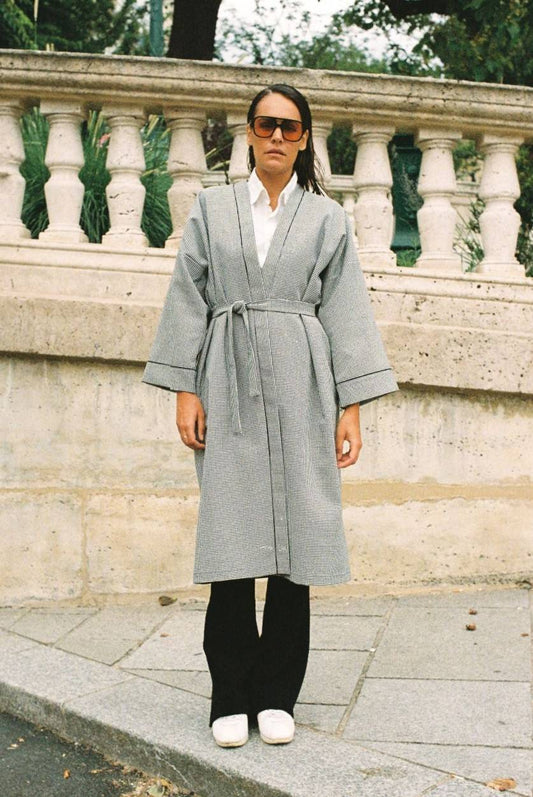
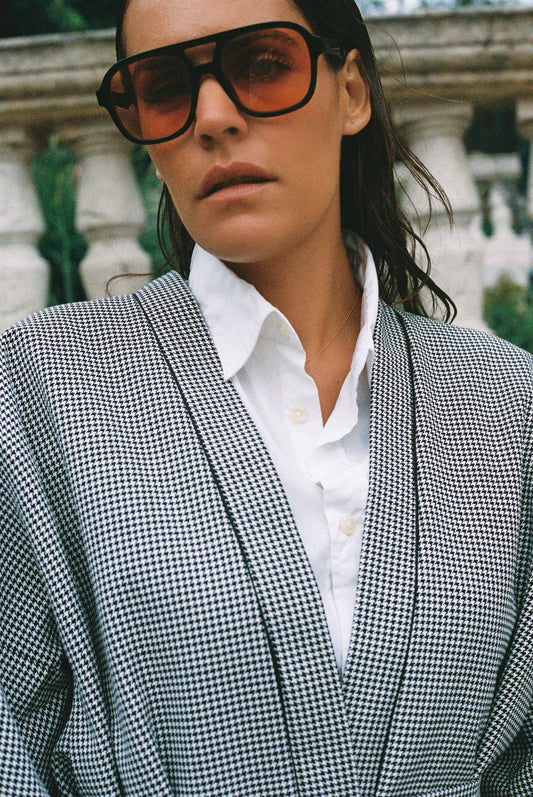

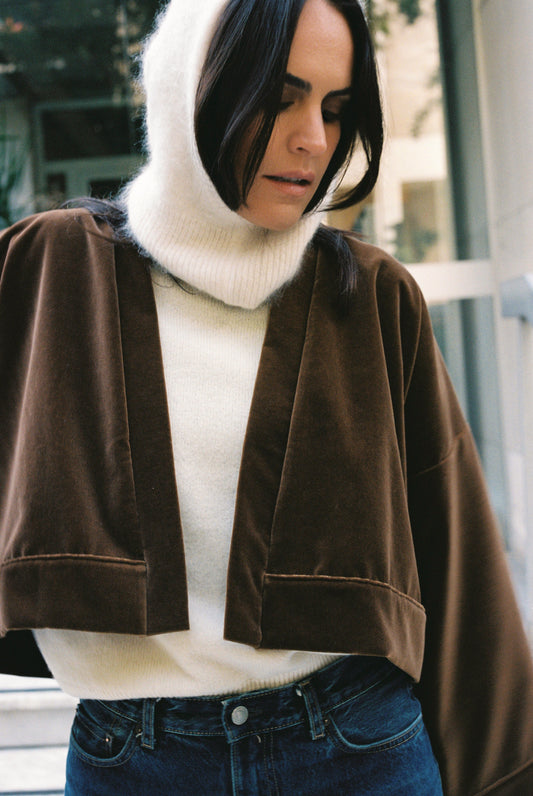

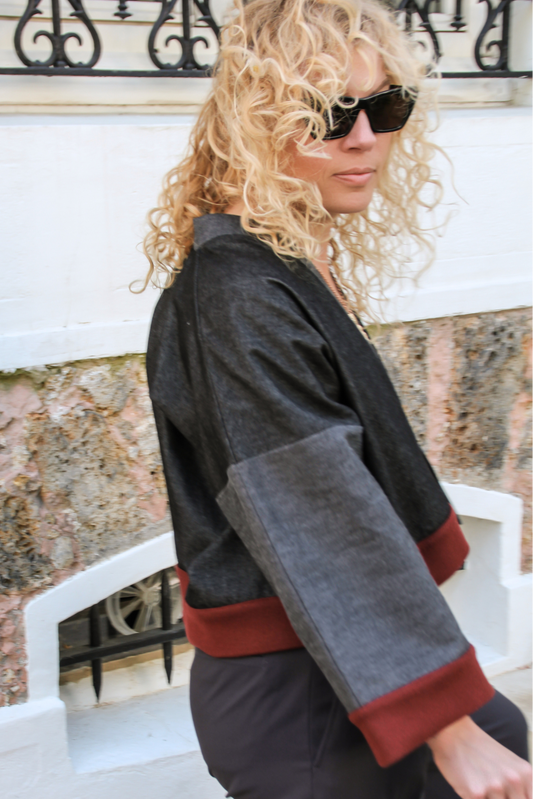
Mid-season kimonos: jackets, coats and dresses to complement the variations
Mid-season is a special time of year. Neither truly cold nor truly hot. The days can start cool, warm up quickly, then cool down again at the end of the day. The light changes, rhythms shift, and clothing habits become less predictable.
This is a period when clothing regains its full importance. It's no longer simply about covering or uncovering, but about accommodating constant changes. Wardrobes must be adaptable, modular, capable of following the movement without imposing constraints.
Mid-season jackets, coats, and kimono dresses are designed for that in-between time. These pieces are made to be worn every day, adapting to the changing temperatures and rhythms of the season.
Mid-season: a question of balance and adaptation
Mid-season isn't just a gentle transition. It requires specific, sometimes contradictory, choices. You have to be able to dress warmly without getting too hot, and undress without being exposed. You have to cope with changing temperatures, sometimes even within the same day.
In this context, mid-season kimono jackets play a central role. They can be worn open or belted depending on the occasion. In the morning, when it's cooler, they provide a light, warming layer. As the day progresses, they can remain open, draped over the shoulders, without adding bulk to the silhouette.
Mid-season kimono coats, lighter than their winter counterparts, offer suitable protection when the air turns cooler. They are neither too thick nor too technical. Their role is to adapt to changing weather conditions, not to restrict them.
As for mid-season kimono dresses, they offer essential versatility. Worn closed, they create a complete outfit, suitable for moderate temperatures. Open, they become a light jacket, ideal when the weather turns warm.
Mid-season demands pieces that can keep pace without requiring constant outfit changes. The kimono, with its construction and modularity, naturally meets this requirement.
Cuts designed for everyday wear and layering
In the mid-season, comfort relies on the ability to layer intelligently. The garments worn underneath can vary: t-shirt, shirt, light knit, thin sweater. The outer garment should be able to accommodate these layers without becoming stiff or restrictive.
Mid-season jackets, coats, and kimono dresses are designed with this principle in mind. Their cut allows for roominess without excess. This makes it possible to add an extra layer when the temperature drops, while remaining comfortable when the outfit is lighter. This flexibility is essential in an urban setting. We move from outdoors to indoors, we move around, we walk, we stop, we start again. The garment must follow these movements without ever restricting them.
The sleeves, the proportions, and the length are all designed to allow for freedom of movement. The kimono doesn't restrict the shoulders, compress the torso, or limit gestures. The option to wear it open or belted also contributes to this adaptability. Depending on the weather, personal preference, or intended use, the garment transforms. It becomes more enveloping or lighter, more structured or more relaxed.
In the mid-season, this modularity makes all the difference. It allows you to maintain a consistent silhouette throughout the day, without discomfort.
Materials and durability: pieces designed to last beyond the season
Mid-season is often associated with clothing perceived as temporary—pieces worn for a few weeks before moving on to something else. This logic is deliberately avoided.
Mid-season jackets, coats, and kimono dresses are designed to last. They are not tied to a short period, but to a sustainable wardrobe approach.
Materials play a central role in this approach. Cotton, lightweight wools, certain jacquards, and upcycled textiles are selected for their ability to adapt to temperature variations. They offer sufficient protection without excessive heat. These materials retain their shape over time. They do not quickly lose their form or structure, and can be worn for several seasons, year after year.
The construction of these garments is designed for repeated use. The finishes are meticulous, the seams strong. The clothing is made to be worn often, not occasionally. This durability allows mid-season kimonos to become a staple in a well-established wardrobe. A kimono jacket or dress becomes a key piece, brought out year after year and styled differently depending on the season.
Mid-season as the natural terrain for the kimono
The mid-season highlights what the kimono does best: adaptability. Neither too hot nor too light, it can accommodate temperature variations, changes in pace, and everyday wear.
Mid-season kimono jackets, coats, and dresses perfectly address this reality. They can be worn open or belted, alone or layered, depending on the time of day.
Designed for everyday wear, they effortlessly transition through the seasons and naturally find their place in a sustainable wardrobe. Mid-season then becomes not a period of transition, but a time when clothing reveals its full function: to accompany movement with balance and precision.